
The Allure of Casino Environments
The design of casino environments plays a crucial role in attracting players and keeping them engaged. Casinos often utilize vibrant colors, sounds, and scents to create an immersive experience that stimulates the senses. For instance, bright lights and engaging sound effects evoke feelings of excitement and anticipation, especially when players aim for an instant cash out casino that offers quick rewards. This sensory overload enhances the psychological thrill of gaming, making it difficult for players to leave and effectively creating an environment where they lose track of time and become absorbed in the experience.
Furthermore, the layout of casinos is strategically designed to encourage movement and exploration. Games are often arranged in ways that entice players to move from one area to another, driving them to encounter more gaming opportunities. This arrangement is not accidental; it is a tactic to keep players engaged for extended periods. Casinos aim to create a labyrinth-like experience, where the journey through various gaming options is as thrilling as the games themselves, leading to prolonged engagement and increased spending.
Additionally, the presence of other players and the social interaction within a casino can significantly affect psychological outcomes. Players often feed off each other’s energy and excitement, creating an atmosphere that amplifies the enjoyment of gaming. This social dynamic can lead to a phenomenon known as “social facilitation,” where individuals perform better and feel more motivated in the company of others. The communal atmosphere strengthens the psychological appeal of casino games, making them more enticing and enjoyable for players.
The Psychology of Risk and Reward
The psychology of risk and reward is central to the appeal of casino games. Players are often drawn to the thrill of uncertainty, where the possibility of winning money creates an adrenaline rush that can be addictive. This concept is rooted in variable reinforcement, a principle suggesting that unpredictable rewards can lead to stronger behaviors. In casinos, the excitement of winning, combined with the uncertainty of the outcome, keeps players engaged in games for longer periods, as they chase the high associated with potential wins.
Moreover, the perception of near-misses can significantly impact a player’s motivation to continue gaming. Research shows that when players experience a near-miss, such as getting two out of three matching symbols, it can elevate their hope of winning, prompting them to wager more. This phenomenon taps into the psychology of desire and aspiration, making players more likely to believe that a win is just around the corner. As a result, casinos cleverly leverage these psychological triggers to create an environment where players are continuously invested and willing to risk more.
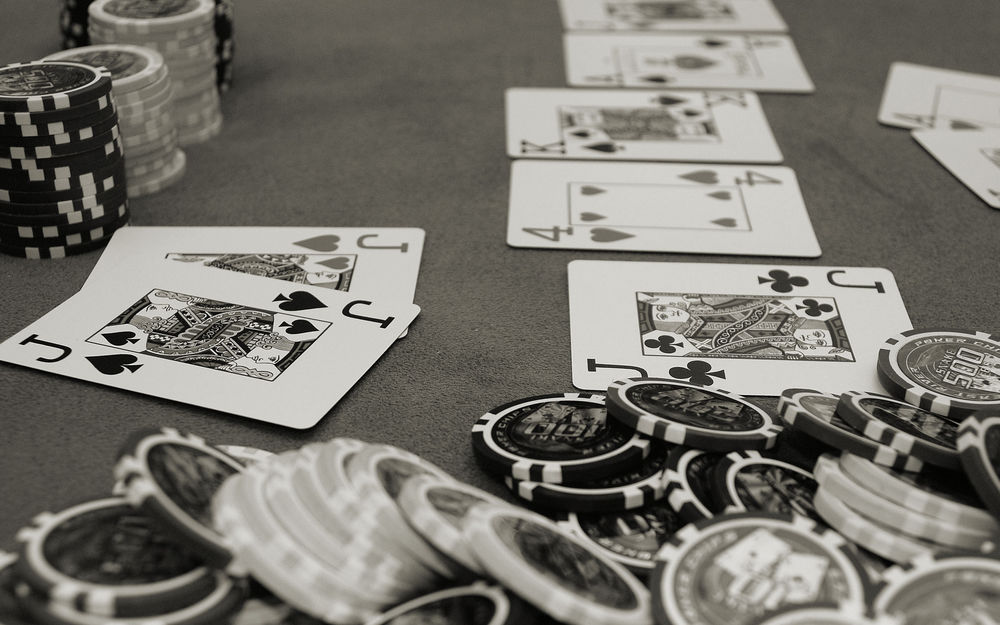
The dopamine response is another critical aspect of the psychology behind gambling. Winning triggers the release of dopamine, a neurotransmitter strongly associated with pleasure and reward. This rush reinforces the behavior, leading players to seek out gambling experiences to replicate the thrill. Casinos often capitalize on this by incorporating features that enhance the probability of frequent small wins, keeping players returning to the gaming tables or machines, despite the reality of the odds being stacked against them.
Behavioral Economics in Gambling
Behavioral economics provides valuable insights into why people engage in gambling despite the inherent risks. One critical concept is loss aversion, which suggests that individuals experience losses more acutely than gains of the same size. This psychological bias can lead players to chase losses, believing that if they continue to play, they will eventually recover their lost bets. Casinos adeptly exploit this tendency, leading players to make irrational decisions that worsen their financial situation, often trapping them in a cycle of gambling.
The sunk cost fallacy is another behavioral principle at play in casinos. Players may feel compelled to continue gambling simply because they have already invested time or money, leading to a cycle of increased wagering. This psychological trap can keep players at the tables longer than they intended, all while convinced that they are nearing a breakthrough victory. The result is a compounding effect that can lead to significant financial losses, as they chase the idea of recouping previous investments.
Additionally, the illusion of control is a psychological phenomenon that many gamblers experience. Players may believe that they can influence the outcomes of games through strategies or techniques, even in games of chance. This belief enhances their engagement and commitment to play, as they feel empowered by their perceived skills. Casinos, through their marketing and game design, often encourage this illusion, reinforcing the cycle of continued play and investment, as players become convinced of their ability to win through skill rather than luck.
The Role of Emotions in Gambling Decisions
Emotions play a significant role in gambling decisions, impacting everything from the choice of games to the amount wagered. Players often gamble to escape from stress or negative feelings, seeking solace in the thrill of gaming. This emotional coping mechanism can lead to compulsive gambling behaviors, as individuals look for a way to numb emotional pain or enhance feelings of elation. Casinos recognize this trend and often provide an environment that is conducive to emotional highs and lows, drawing in those seeking an escape.

Moreover, positive emotions associated with winning can create a euphoric feedback loop, encouraging players to chase that initial high. When a player wins, they experience a surge of positive emotions that can cloud their judgment, leading them to gamble more than they planned. The highs of gambling often stand in stark contrast to the lows experienced during losing streaks, illustrating the rollercoaster of emotional experiences that define gambling. This emotional variability can further entrench players in their gambling habits, making it difficult to break free.
Furthermore, the perception of gambling as a social activity can also evoke strong emotional responses. Celebrating wins with friends or commiserating losses can enhance the emotional experience of gaming. This social aspect creates a sense of belonging and community among players, making the entire gambling experience more rewarding. The emotional highs and lows, coupled with social interactions, are fundamental to the psychological draw of casino games, reinforcing the desire to return and play again.
Your Valuable Resource for Understanding Gambling Psychology
Understanding the psychology behind casino games can equip individuals with the knowledge needed to navigate the complex world of gambling more responsibly. By exploring the various psychological factors at play, players can make more informed decisions about their gaming habits. Recognizing concepts like risk and reward, loss aversion, and the emotional triggers inherent in gambling can foster healthier gaming practices and greater self-awareness among players.
Our website serves as a dedicated resource for those seeking to deepen their understanding of gambling psychology. We provide comprehensive articles, insights, and research findings that highlight the intricate relationship between psychology and gambling behaviors. Whether you are a casual player or someone looking to explore the deeper aspects of gaming, our platform offers valuable information tailored to your interests, helping you to navigate the gaming landscape with confidence.
By promoting awareness and understanding of these psychological elements, we aim to encourage responsible gambling and contribute to healthier gaming habits. Our commitment to providing accurate and insightful content makes our website an essential tool for anyone looking to gain a clearer perspective on the fascinating interplay between psychology and casino games, empowering players to engage with gambling in a more informed and responsible manner.